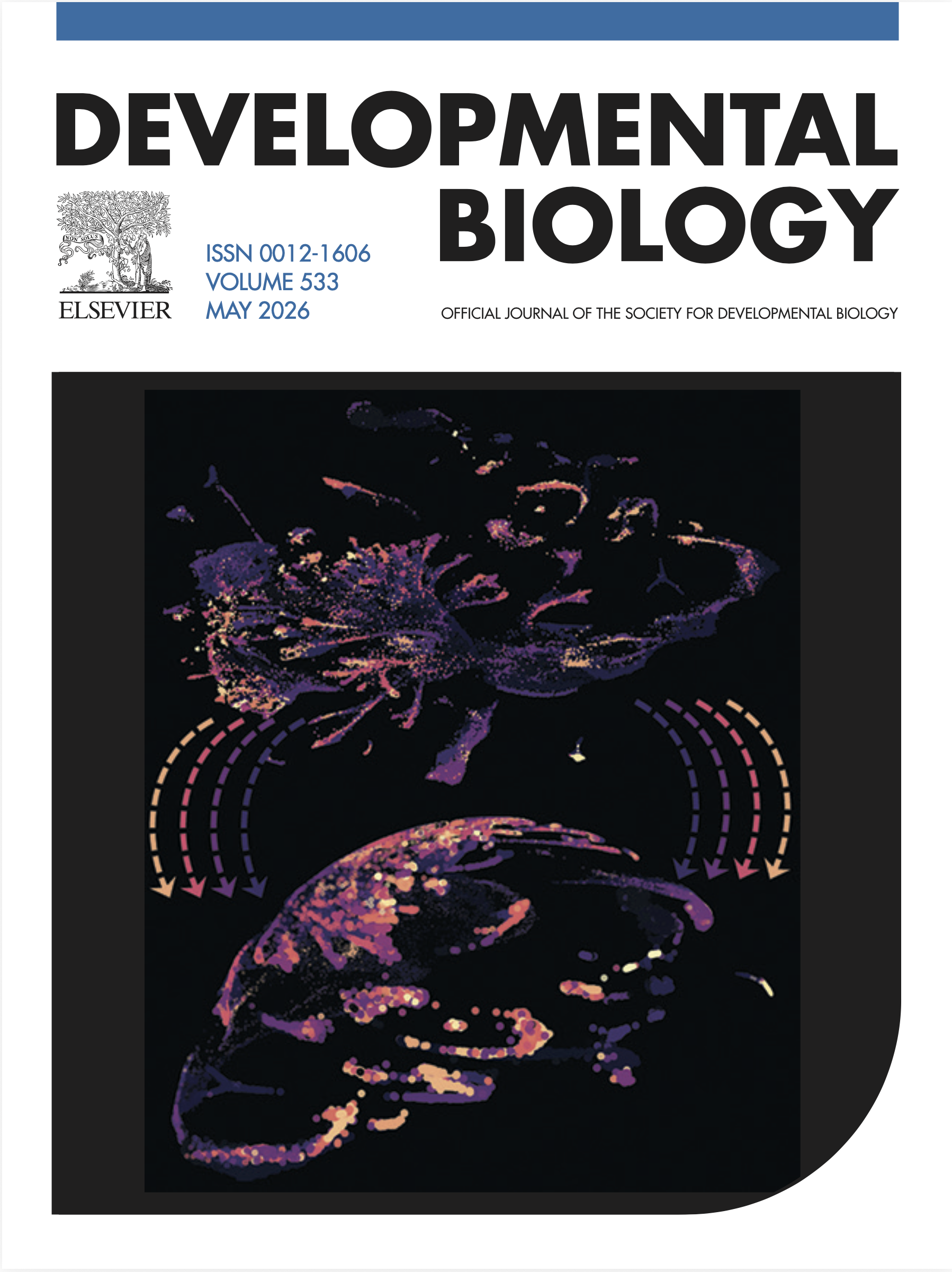
Leonardo’s paper on the cover!
Leonardo's paper was featured on the cover of the May 2026 issue of Developmental Biology! link


Leonardo's paper was featured on the cover of the May 2026 issue of Developmental Biology! link
Anne Martinod joins our lab as an M1 student from the Université Paris Cité. Anne studied Life Sciences at the Université Paris Cité before starting a Masters in Bioinformatics in the same university. Anne will work with Elsa to generate cell type phylogenies from different insect visual systems.
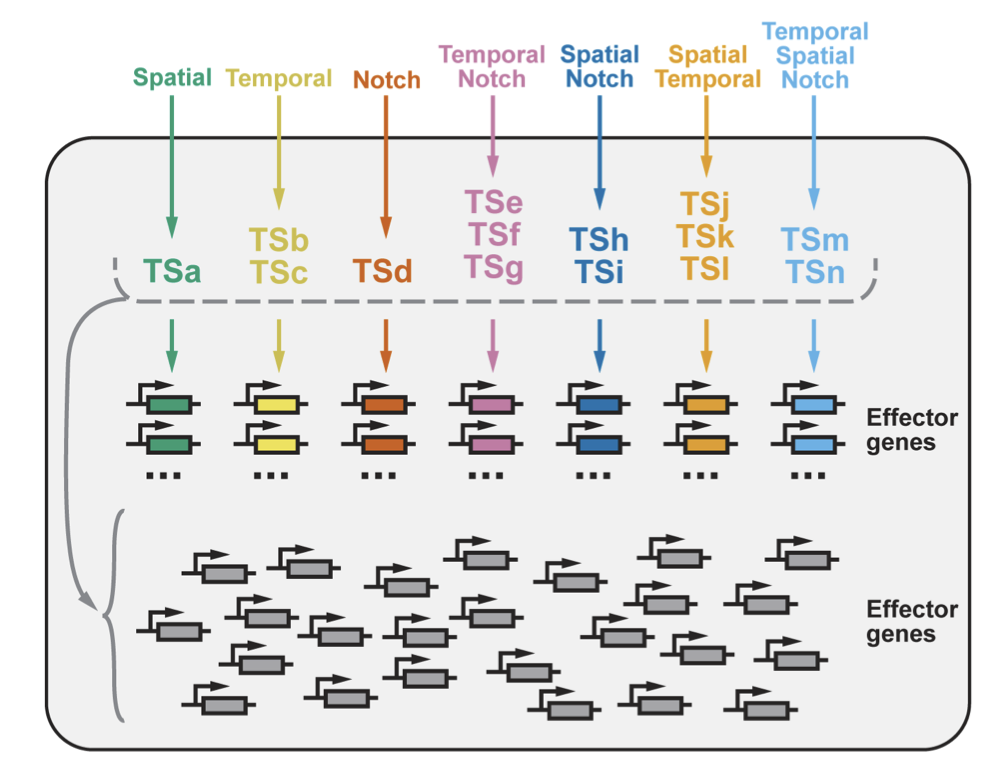
Felix's paper on the establishment of terminal selector combination is accepted for publication in Nature Neuroscience. In it, he shows that, in the Drosophila medulla, integrated temporal patterning, spatial patterning, and Notch signalling establish terminal selector expression and modular neuronal features, suggesting that new neuronal types may evolve by recombining developmentally pre-specified feature modules.
Daphne Psaraki joins our lab as an Erasmus student from the University of Crete. Daphne studied Biology at the University of Crete and did her diploma thesis working with C. elegans in the lab of Nektarios Tavernarakis. Daphne will work with Félix to identify unmarked clusters in cephalopod single-cell mRNA sequencing data.
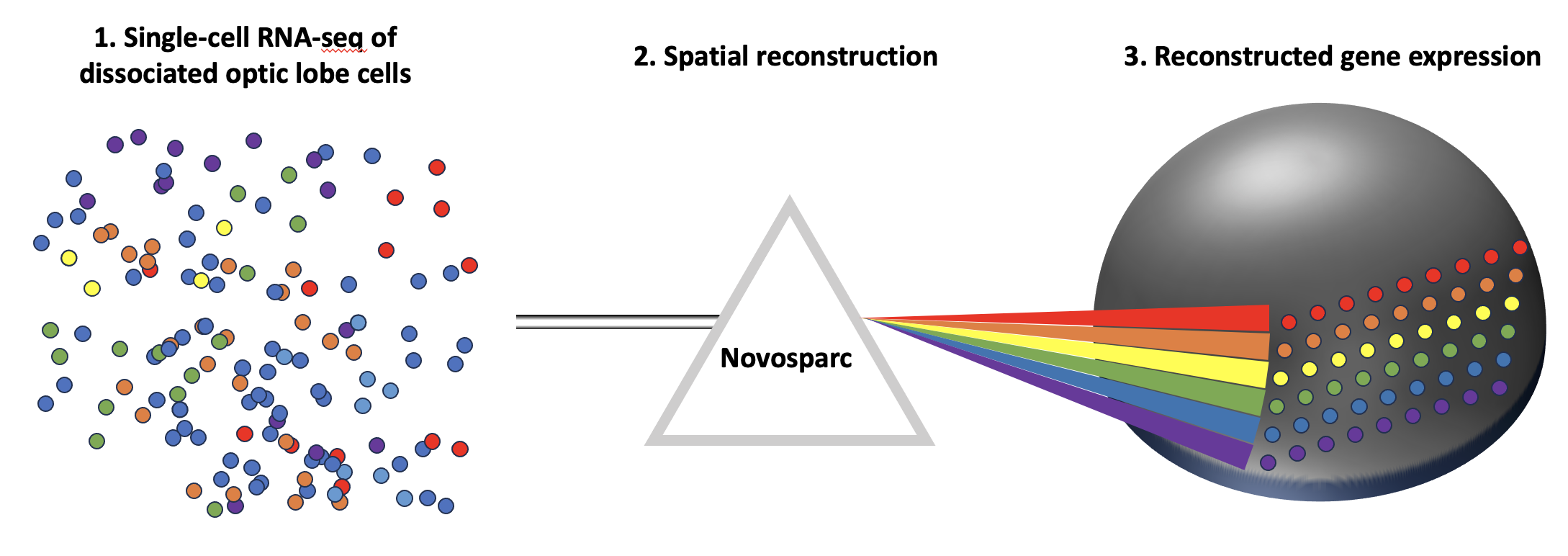
Leonardo's paper was just published in Developmental Biology! In it, Leonardo used the Novosparc algorithm to reconstruct a three-dimensional spatial gene expression atlas of the developing Drosophila optic lobe, enabling the identification of spatially patterned transcription factors that define neuronal types.
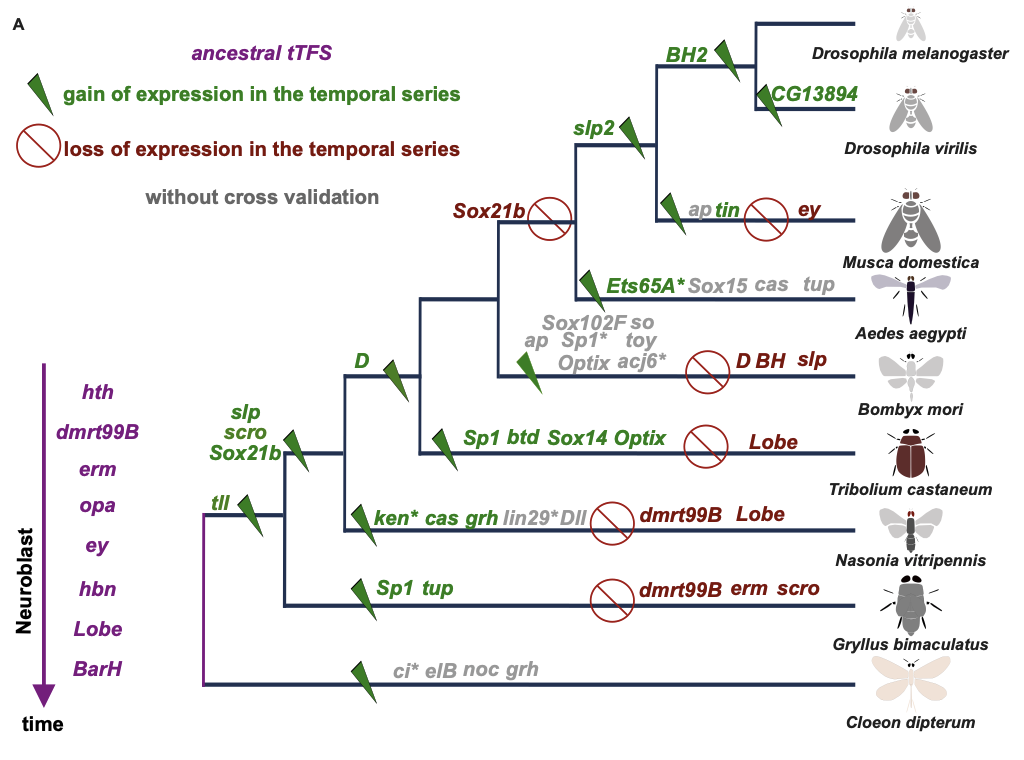
Konstantina's paper was just published on biorxiv. In it, she reconstructed the evolutionary history of temporal transcription factor series in insect visual brains, revealing a conserved scaffold with species-specific variations and showing how changes in temporal patterning can drive the evolution of new neuronal identities.
Léo Le Boudec joins the lab for his M2 project. Leo studied Life Sciences at the Université Paris Cité before starting the Molecular and Cellular Biology Masters program in the same university. Léo will work with Carlos to analyse the multiomic data and identify species- and cell type-specific signatures.
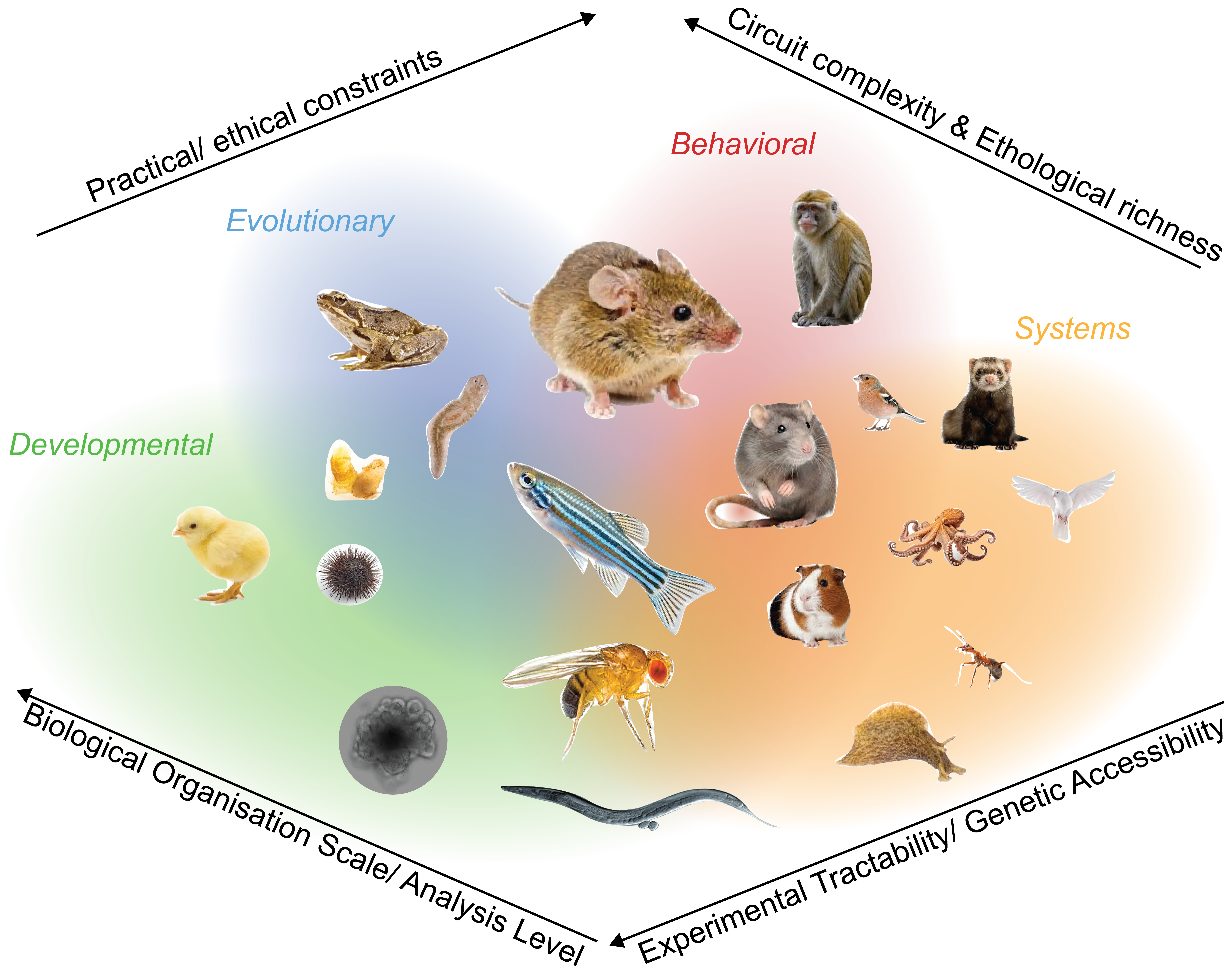
Nikos and fellow FKNE members' editorial on the importance of using diverse animal research models in neuroscience is published in the European Journal of Neuroscience.
Marie-Charlotte will work with Marianne to investigate how neuronal stem cells terminate their proliferation across different regions of the developing visual system.
Niovi will work on the role of apoptosis in shaping neuronal diversity.